
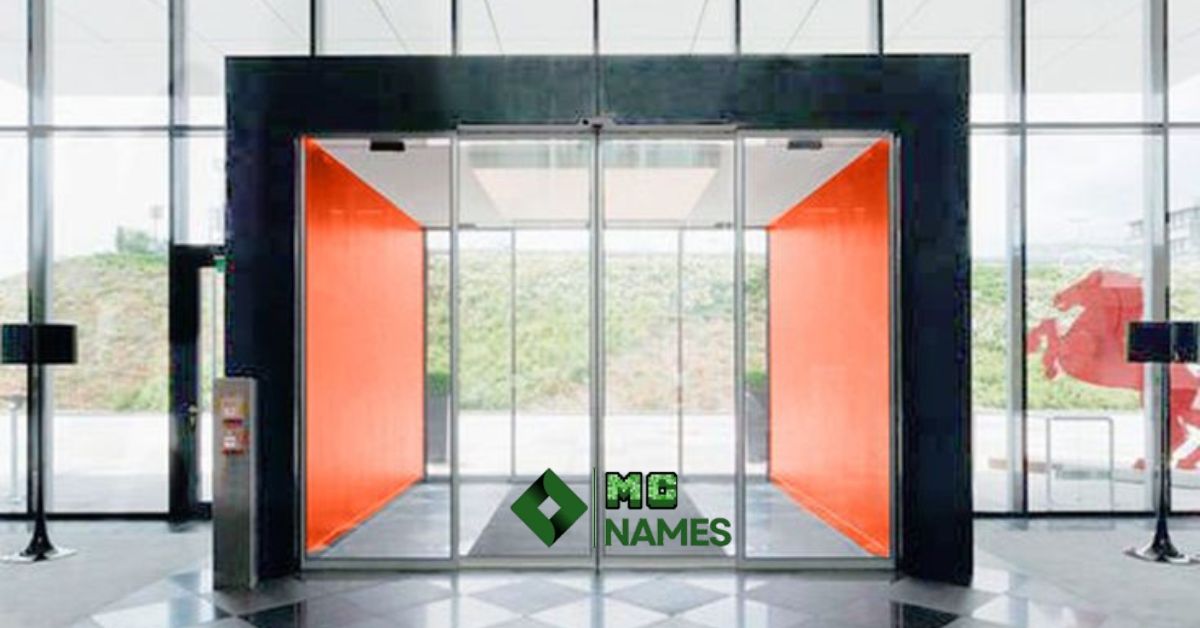
Automatic sliding doors shape first impressions by defining daily experiences. They guide movement, influence safety, and reflect professionalism.
Every industry demands something different from an entrance system. A hospital expects hygiene, a retail store expects attraction, and a warehouse expects endurance. So, choosing the right automatic sliding door in Melbourne requires insight. This guide explores that choice through an industry-focused lens.
First things first –
Understanding Automatic Sliding Doors Before Choosing
Automatic sliding doors operate through motion detection. Sensors activate a motor, panels glide open smoothly, and the experience feels effortless.
Different doors suit different environments. Some focus on speed, while others focus on silence. Many others focus on safety. The wrong choice creates frustration, while the right choice creates harmony.
That is why industry-specific decision-making matters deeply. One-size solutions rarely succeed. Thoughtful selection delivers lasting benefits.
Healthcare Facilities: Precision Over Appearance
Hospitals demand perfection, clinics require cleanliness, and medical centres rely on consistency. So, automatic sliding doors serve a critical role here.
- Touchless operation reduces contamination.
- Smooth movement prevents sudden jolts.
- Silent motion supports calm environments.
Reliability becomes non-negotiable.
Doors in healthcare settings need sealed edges. Air control systems limit cross contamination. Sensors must respond instantly. Fail-safe mechanisms protect patients during emergencies.
Glass selection also matters greatly, as clear visibility is key to prevent collisions. Frosted finishes protect patient privacy. Frames must resist corrosion. Materials must tolerate aggressive cleaning agents.
Hospitals also face constant traffic. Stretchers pass frequently and wheelchairs move endlessly. So, doors must withstand nonstop usage and durability becomes essential.
Retail Spaces: Experience Drives Everything
Retail entrances act as invitations because customers judge stores instantly. Automatic sliding doors create that first moment.
- Smooth movement signals professionalism.
- Transparent glass enhances product visibility.
- Wide openings encourage entry.
Retail doors must balance speed with control. Doors that open too slowly frustrate shoppers, while doors that open too quickly waste energy. So, sensor tuning becomes critical.
Aesthetic flexibility also matters, as branding opportunities appear on glass panels. Lighting integration elevates the atmosphere and frameless designs project modern appeal.
More importantly, security remains vital after hours. Strong locking systems protect merchandise. Integration with alarms strengthens safety. Shatter-resistant glass deters intrusion.
Overall, retail success thrives on comfort.
Office Buildings: Efficiency Meets Elegance
Office environments value order and prioritise professionalism. Automatic sliding doors reinforce both.
Here, quiet operation matters deeply because loud mechanisms disrupt focus. Smooth tracks preserve concentration and precision sensors prevent awkward pauses.
Energy efficiency also influences operating costs. Offices operate long hours, air leakage wastes resources, and tight seals maintain indoor comfort.
Visual appeal supports brand identity. Minimalist frames suggest confidence. Clean lines suggest authority. Glass transparency suggests openness.
Access control integration adds security. For example, card readers restrict entry, and timed locking enhances safety. So, doors become guardians without intimidation.
Hospitality Venues: Comfort Shapes Memory
Hotels thrive on impressions.
Restaurants rely on ambience.
Resorts depend on the atmosphere.
So, automatic sliding doors influence every guest interaction.
Warm welcomes matter greatly. Doors should open gracefully with motion that should feel natural. Noise should also remain minimal.
Design flexibility supports storytelling.
- Rustic venues prefer textured finishes.
- Luxury venues prefer frameless elegance.
- Coastal venues prefer corrosion-resistant materials.
Hospitality spaces demand emotional intelligence, so doors should feel intuitive. Guests should never think about operation. Comfort should feel effortless.
Industrial Facilities: Strength Above All
Automatic sliding doors must endure harsh conditions in industrial facilities.
- Heavy-duty frames resist impact.
- Reinforced glass withstands pressure.
- Motors must tolerate dust.
- Sensors must ignore debris interference.
Speed improves productivity in these spaces, as delays slow operations. Reliable opening ensures smooth logistics.
Security plays a critical role because industrial sites store valuable goods. Strong locking mechanisms protect assets. Integration with access systems enhances control.
Maintenance simplicity matters greatly. For instance, easy servicing reduces interruptions and robust components extend lifespan.
Airports and Transport Hubs: Flow Defines Safety
Transport environments operate relentlessly. That is why it’s important for automatic sliding doors to manage crowds constantly.
Safety compliance remains strict in these settings. Some features to have in the automatic sliding doors include:
- Emergency evacuation requires fail-open systems.
- Fire-rated options enhance protection.
- Breakaway panels prevent injury.
Durability becomes paramount. Luggage impacts frequently, carts collide often, and materials must absorb punishment. That is why durability is more essential here than anywhere else.
Educational Institutions: Safety With Simplicity
Schools welcome energy and universities host diversity. So, automatic sliding doors serve many ages in these spaces.
Safety leads every decision here.
- Sensors must detect smaller bodies.
- Closing speed must remain gentle.
- Emergency systems must respond instantly.
Durability supports longevity, as students test boundaries and doors face constant use. Accessibility is also essential in educational institutions because people with different abilities come to pursue their dreams. Wheelchair access, for example, remains one of the most essential features. Wide openings welcome everyone.
Educational doors support learning. Their presence should feel reassuring and dependable.
Key Factors Across Every Industry
Several principles apply universally. Ignoring them invites failure.
- Traffic volume determines durability needs.
- Environment determines material choice.
- Security determines locking systems.
- Aesthetics determine perception.
Compliance, for one thing, matters everywhere. Maintenance planning also helps prevent surprises.
One shortcut to ensure the right choice is choosing an experienced supplier.
Making the Final Decision
Choosing the right automatic sliding door requires clarity. Each industry presents unique demands and each environment reveals priorities.
Start with purpose, identify traffic patterns, define safety requirements, and assess aesthetic goals. You’ll find your ideal fit in no time.
For more information, you can also connect with Complete Opening Systems. Consult their specialists early to avoid wasting time and resources.
Good luck!
Also Read: How Afruimwagens are Revolutionizing Urban Mobility