
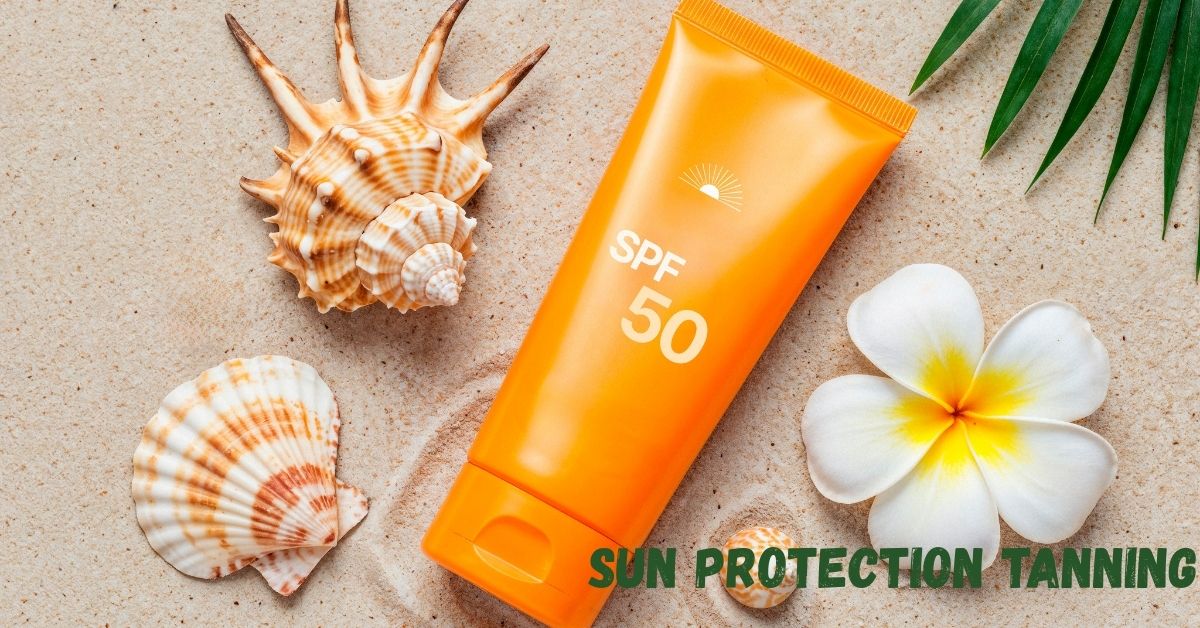
Sun exposure has long been associated with warmth, relaxation, and an attractive sun-kissed appearance. However, growing awareness of skin damage, premature aging, and long-term health risks has changed how people approach tanning. Today, sun protection tanning represents a more informed and responsible way to enjoy the sun while safeguarding the skin. Rather than choosing between protection and appearance, modern tanning practices focus on achieving both.
This article explores the concept of sun protection tanning in depth, explaining how it works, why it matters, and how it can be practiced safely. By understanding the science behind sun exposure and protection, individuals can make informed decisions that support both skin health and aesthetic goals.
Understanding the Science Behind Tanning and Sun Exposure
Tanning occurs when the skin is exposed to ultraviolet (UV) radiation from the sun. In response, the skin produces melanin, a pigment that darkens the skin and acts as a natural defense mechanism against further UV damage. While this response may seem protective, it is actually a sign that the skin has already experienced stress or injury from radiation.
Sun protection tanning takes this biological process into account by minimizing harmful exposure while allowing controlled melanin production. Protective products and thoughtful sun habits reduce the intensity of UV damage, enabling the skin to tan gradually instead of burning. This approach helps maintain the skin’s structural integrity and overall health.
It is important to note that no tan is completely risk-free. However, understanding how UV rays interact with the skin allows individuals to significantly reduce unnecessary harm while enjoying time outdoors.
The Role of Sun Protection in Safe Tanning
Sun protection is a crucial element of responsible tanning. It works by filtering or blocking harmful UV rays before they penetrate the skin. Sunscreens, protective clothing, and shade are the most common forms of protection used in sun protection tanning routines.
Contrary to popular belief, sun protection does not prevent tanning entirely. Instead, it slows the process, allowing the skin to darken gradually and evenly. This reduces the risk of painful sunburns, peeling, and long-term skin damage, which often occur with unprotected exposure.
Incorporating sun protection into tanning habits reflects a shift from short-term appearance goals to long-term skin wellness. It encourages patience and consistency, resulting in a healthier-looking tan that lasts longer and fades more naturally.
Types of Products Used in Sun Protection Tanning
A wide variety of products support sun protection tanning, each designed to offer different levels of defense and comfort. These include lotions, creams, sprays, and oils that contain sun-filtering ingredients. Many are formulated to moisturize the skin while protecting it from UV exposure.
Some products focus on hydration and skin nourishment, recognizing that well-moisturized skin tans more evenly. Others include antioxidants or soothing agents that help counteract environmental stressors such as heat and dryness. The goal is not just protection, but overall skin support.
Choosing the right product often depends on skin type, sensitivity, and personal preference. What matters most is consistent and adequate application, as even the most advanced formula cannot work effectively if used incorrectly.
The Importance of Gradual and Controlled Exposure
One of the defining principles of sun protection tanning is moderation. Gradual exposure allows the skin to adapt slowly, reducing the likelihood of damage. Short periods in the sun over several days are far safer than extended exposure in a single session.
Controlled exposure also helps achieve a more even skin tone. Sudden or excessive sun exposure often leads to redness, uneven pigmentation, or peeling, all of which interfere with the desired tanning outcome. A slower approach produces more natural and aesthetically pleasing results.
This method requires mindfulness and self-awareness. Paying attention to how the skin reacts to sunlight is essential, as individual tolerance levels vary widely. Listening to these signals helps prevent unnecessary harm.
Skin Types and Individual Considerations
Not all skin responds to sun exposure in the same way. Factors such as natural skin tone, sensitivity, and genetic background influence how quickly someone tans and how prone they are to burning. Sun protection tanning must be adapted to these individual differences.
Lighter skin tones often require more protection and shorter exposure times, as they produce less melanin naturally. Medium to darker skin tones may tan more easily but are still vulnerable to long-term UV damage. No skin type is immune to the effects of overexposure.
Understanding personal skin characteristics allows for better decision-making. It encourages realistic expectations and promotes a tanning approach that prioritizes health over speed or intensity.
Long-Term Benefits of a Protective Tanning Approach
The benefits of sun protection tanning extend far beyond appearance. By minimizing UV damage, individuals help preserve collagen and elastin, which are essential for maintaining skin firmness and elasticity. This reduces the likelihood of premature wrinkles and sagging.
Protective tanning practices also support overall skin resilience. Healthy skin is better able to repair itself and maintain an even tone over time. This results in a more youthful and vibrant appearance, regardless of tanning preferences.
Perhaps most importantly, sun protection tanning reduces cumulative sun damage, which is linked to serious long-term health concerns. While no approach eliminates risk entirely, responsible habits significantly lower it.
The Role of After-Sun Care
After-sun care is an often-overlooked but essential part of sun protection tanning. Even with protection, the skin experiences stress during sun exposure and requires recovery support afterward. Proper care helps restore moisture and soothe irritation.
Hydration plays a key role in maintaining a lasting tan. Moisturized skin sheds less quickly, allowing color to fade more evenly. Cooling and calming products can also reduce inflammation and discomfort, contributing to overall skin comfort.
By viewing after-sun care as part of the tanning process rather than an afterthought, individuals support healthier skin and better long-term outcomes.
Common Myths Surrounding Sun Protection Tanning
Many misconceptions persist around sun protection tanning. One common myth is that protection prevents tanning altogether, which often leads people to avoid protective measures. In reality, protection simply moderates exposure and improves tanning quality.
Another misconception is that discomfort or redness is a necessary part of tanning. Pain is a sign of damage, not progress. Healthy tanning should never involve burning or lasting irritation.
Dispelling these myths is essential for encouraging safer behavior. Accurate information empowers people to enjoy the sun responsibly without compromising their skin’s well-being.
Conclusion
Sun protection tanning represents a thoughtful balance between enjoying sunlight and preserving skin health. By understanding how tanning works and embracing protective measures, individuals can achieve a natural glow without exposing themselves to unnecessary risk. This approach prioritizes gradual exposure, proper product use, and attentive skin care before and after sun exposure.
Rather than chasing rapid results, sun protection tanning encourages patience and awareness. The result is healthier skin, a more even tan, and greater confidence in long-term skin wellness. Ultimately, it is not about avoiding the sun, but about respecting it.
Frequently Asked Questions
1. Can you still tan while using sun protection?
Yes, tanning can still occur with protection, but it happens more gradually and safely.
2. Is sun protection tanning suitable for all skin types?
Yes, but the level of protection and exposure time should be adjusted based on individual skin characteristics.
3. Does tanning with protection last longer?
In many cases, yes, because healthier skin retains color more evenly and sheds less quickly.
4. Is redness a normal part of tanning?
No, redness indicates skin damage and should be avoided.
5. Why is after-sun care important?
It helps the skin recover, stay hydrated, and maintain an even, lasting tan.
 Lele Smith
  Sara Lara