
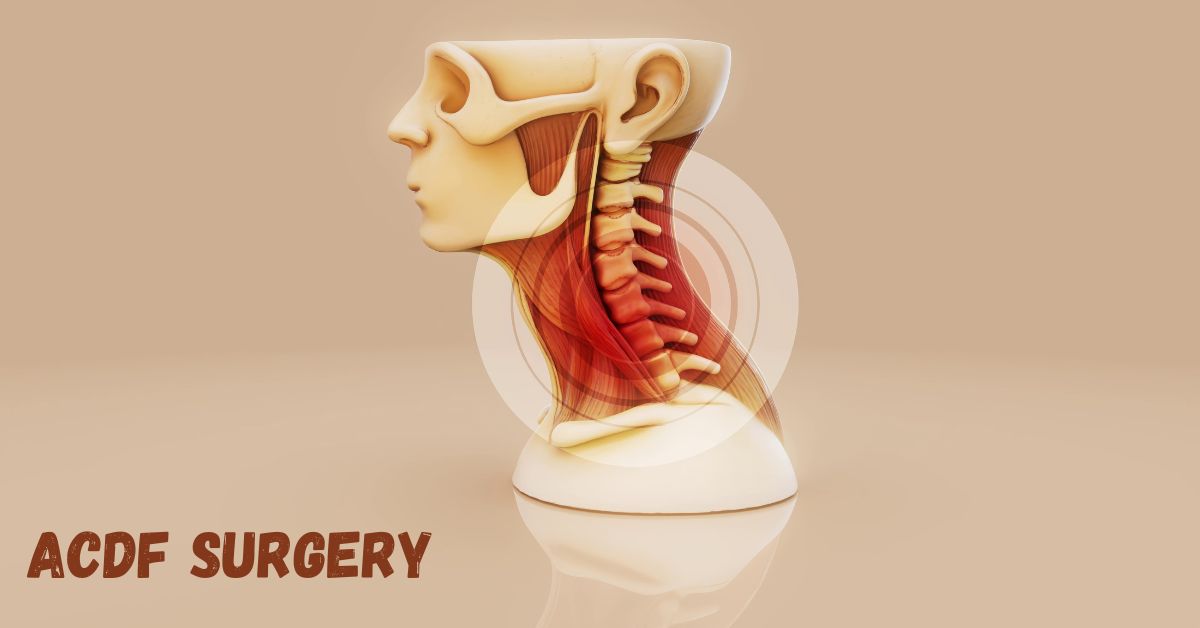
Anterior Cervical Discectomy and Fusion, commonly known as ACDF surgery, is a widely performed spinal procedure designed to treat disorders of the cervical spine that cause pain, neurological symptoms, or spinal instability. The cervical spine, located in the neck region, plays a crucial role in supporting the head, protecting the spinal cord, and allowing a wide range of motion. When one or more components of this delicate structure are compromised, ACDF surgery may become a necessary and effective treatment option.
Over several decades, ACDF surgery has evolved into a standard intervention for specific cervical spine conditions, supported by extensive clinical experience and ongoing refinements in surgical techniques.
Understanding the Cervical Spine and Disc Function
The cervical spine consists of seven vertebrae labeled C1 through C7. Between most of these vertebrae are intervertebral discs, which act as shock absorbers and allow smooth movement. Each disc has a soft inner core and a tougher outer layer. With age, injury, or degeneration, these discs can lose their integrity.
When a cervical disc becomes damaged, it may bulge or rupture, placing pressure on nearby nerves or the spinal cord. This compression can lead to symptoms such as neck pain, arm pain, numbness, tingling, weakness, or coordination problems. ACDF surgery is specifically designed to address these structural problems at their source.
What ACDF Surgery Involves
ACDF surgery combines two key surgical actions: discectomy and fusion, performed through an anterior (front) approach to the neck.
Anterior Approach
The surgeon reaches the cervical spine through the front of the neck rather than the back. This approach allows direct access to the disc space with minimal disturbance to the spinal cord and surrounding muscles. Important structures such as the trachea and esophagus are carefully moved aside during the procedure.
Discectomy
Once the affected spinal level is identified, the damaged disc is removed. Any bone spurs or disc fragments pressing on nerves or the spinal cord are also eliminated. This step is essential for relieving neurological compression.
Fusion
After disc removal, the empty disc space is filled with a bone graft or synthetic spacer. The purpose of fusion is to permanently join the adjacent vertebrae, restoring spinal stability. In many cases, metal plates and screws are added to support the spine while fusion occurs.
Conditions Commonly Treated with ACDF Surgery
ACDF surgery is recommended for several cervical spine disorders when conservative treatments are ineffective. These include:
- Cervical disc herniation
- Degenerative disc disease
- Cervical spinal stenosis
- Cervical radiculopathy (nerve root compression)
- Cervical myelopathy (spinal cord compression)
- Bone spur formation
- Traumatic cervical disc injuries
In cases involving spinal cord compression, timely surgical intervention may help prevent permanent neurological damage.
Symptoms Leading to ACDF Surgery
Patients considered for ACDF surgery often experience symptoms that significantly interfere with daily life, such as:
- Persistent neck pain that does not respond to treatment
- Radiating pain into the shoulder, arm, or hand
- Numbness or tingling in the arms or fingers
- Muscle weakness
- Difficulty with balance or coordination
- Reduced fine motor skills
These symptoms typically correlate with imaging findings that show disc degeneration or nerve compression.
Diagnostic Evaluation Before Surgery
Before recommending ACDF surgery, physicians conduct a thorough evaluation that may include:
- Detailed medical history and physical examination
- Neurological assessment
- Imaging studies such as MRI, CT scans, or X-rays
- Evaluation of previous treatments and symptom progression
The decision to proceed with surgery is based on both clinical findings and the patient’s quality of life.
Surgical Procedure and Duration
ACDF surgery is performed under general anesthesia. The procedure usually takes one to three hours, depending on the number of spinal levels involved. Single-level ACDF is the most common, but multi-level procedures may be required in more complex cases.
Once the surgery is complete, patients are monitored in a recovery area before being transferred to a hospital room. Many individuals are discharged within one day, and some may even return home the same day.
Recovery After ACDF Surgery
Recovery is a gradual process that occurs in stages.
Early Recovery
In the first few days, patients may experience neck soreness, mild swelling, or difficulty swallowing. These symptoms are usually temporary and improve with time.
Short-Term Healing
Most patients are encouraged to walk soon after surgery. A cervical collar may be prescribed to support the neck during early healing. Pain management and activity modification are important during this phase.
Fusion Process
The fusion itself takes several months to complete. During this time, the bone graft integrates with the vertebrae to form a solid connection. Follow-up visits and imaging help monitor progress.
Rehabilitation
Physical therapy may be introduced to restore strength, flexibility, and posture. Patients are gradually allowed to resume normal activities based on their recovery progress.
Benefits and Expected Outcomes
For properly selected patients, ACDF surgery can offer significant benefits, including:
- Relief from chronic neck and arm pain
- Improvement in nerve-related symptoms
- Stabilization of the cervical spine
- Prevention of further neurological deterioration
- Improved ability to perform daily activities
Many patients experience noticeable improvement within weeks, although full recovery continues over several months.
Potential Risks and Complications
While ACDF surgery is generally safe, it carries risks like any surgical procedure. Possible complications include:
- Infection
- Bleeding
- Temporary or persistent swallowing difficulty
- Voice changes due to nerve irritation
- Failure of fusion
- Hardware-related issues
- Adjacent segment degeneration
Careful surgical planning and adherence to post-operative instructions help reduce these risks.
Long-Term Considerations
After fusion, the treated spinal segment no longer moves. While this stabilizes the spine, it may increase stress on adjacent levels over time. Regular follow-up and maintaining good spinal health are important for long-term outcomes.
Lifestyle factors such as posture, activity level, smoking status, and adherence to rehabilitation guidelines can significantly influence surgical success.
Overall Significance of ACDF Surgery
ACDF surgery remains one of the most effective surgical treatments for specific cervical spine disorders. Its long history, predictable outcomes, and continuous technical advancements have made it a cornerstone of modern spine surgery. Although it is not appropriate for every patient with neck pain, it plays a vital role in managing serious spinal conditions that compromise nerve function and quality of life.
Conclusion
ACDF surgery is a well-established and carefully refined surgical procedure that addresses specific disorders of the cervical spine by relieving nerve or spinal cord compression while restoring structural stability. Through the removal of damaged intervertebral discs and the fusion of affected vertebrae, the procedure directly targets the underlying causes of pain, neurological symptoms, and functional impairment rather than merely managing surface-level discomfort.
 Lele Smith
  Sara Lara