
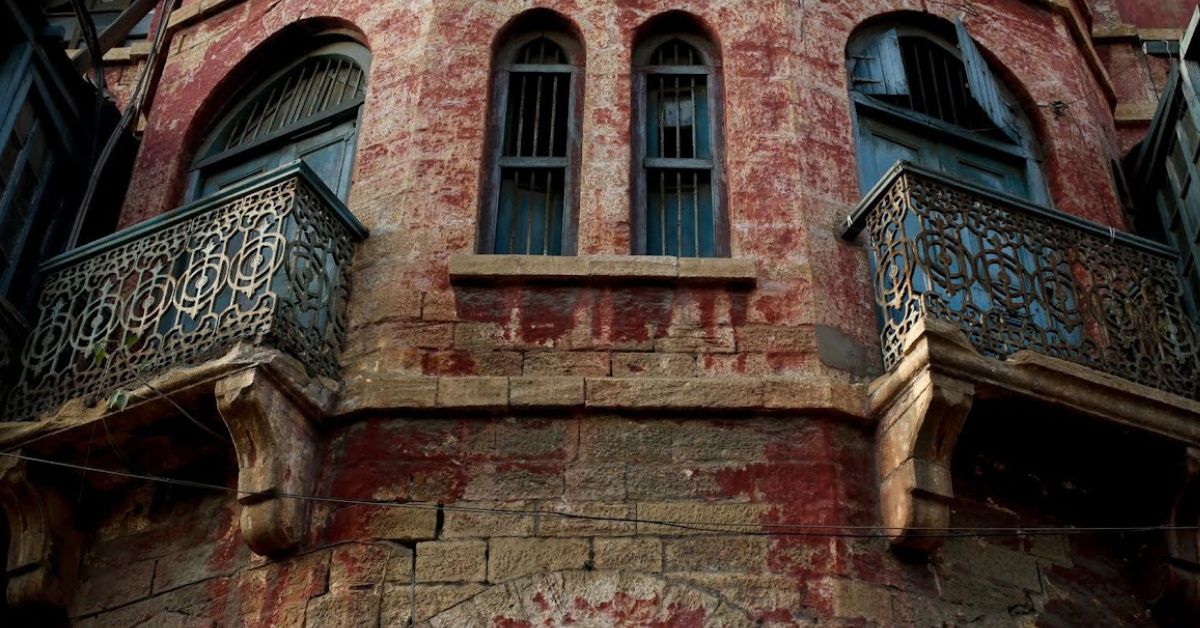
Old buildings speak with quiet authority. Their floors carry memory, weight, and time. Every crack tells a story of footsteps long gone. Even the surface reflects decades of use and survival.
Preserving such structures demands sensitivity, patience, and respect. But modern renovation often threatens that fragile balance. Concrete grinding offers a rare solution with grace. If you are considering concrete grinding in Geelong, this article will help you get clarity.
Let’s begin.
The Challenge of Modernising Historic Structures
Historic buildings face a difficult challenge today. They must meet modern standards without losing identity. However, floors present one of the greatest risks, as replacement destroys authenticity within seconds. Covering it hides the original soul of the space.
But there’s a solution: Concrete grinding protects history through refinement.
Understanding the Purpose of Concrete Grinding
Old buildings benefit from restoration rather than replacement. But there are very few solutions that can achieve this without losing character, and concrete grinding is one of the best.
Concrete grinding removes surface imperfections with precision. The process smooths concrete without full destruction, and the original slab remains intact under the machine. This method respects craftsmanship from earlier eras, but let’s see how.
The Value of Original Concrete Floors
Many heritage structures rely on original concrete floors that were poured by hand with care.
Their materials came from local sources with natural variation, and texture became part of the visual character.
Grinding enhances these features rather than erasing them.
Revealing Hidden Beauty Beneath Worn Surfaces
The grinding process reveals hidden beauty. Aggregates emerge like buried artifacts, stone patterns appear through careful abrasion, and each floor becomes visually unique through exposure. No modern replacement can replicate this effect.
Preservation Through Minimal Intervention
Preservation professionals value minimal intervention, and concrete grinding aligns with that philosophy perfectly. The method removes damage without removing history. Structural integrity remains untouched throughout the process. Surface flaws disappear while character stays present.
Correcting Uneven Floors Without Structural Damage
Old buildings often contain uneven floors, as decades of settlement cause subtle height differences. Foot traffic also creates worn paths across rooms. But grinding can correct these issues gently, and the floor gains safety without losing authenticity.
Improving Safety and Accessibility in Heritage Spaces
With concrete grinding, trip hazards disappear through careful leveling. Accessibility also improves for modern use, and the building welcomes broader audiences safely. Historical value remains protected throughout the upgrade.
Meeting Heritage and Conservation Regulations
Concrete grinding suits heritage regulations well, as many councils discourage invasive renovations. Grinding can help here, as it avoids demolition and material removal. This approach meets conservation guidelines effectively. Approval processes also become smoother as a result.
Protecting Fragile Architectural Features During Grinding
Modern grinders include vacuum extraction systems, offering dust control technology that supports preservation goals. Air quality stays protected during such restoration, and surrounding architectural elements also remain unharmed. Original walls stay clean and intact.
Managing Noise and Vibration in Old Buildings
Noise reduction techniques also matter greatly because old buildings contain various fragile features. Vibration, for example, can damage plaster or timber. So, professional grinding uses controlled equipment, ensuring the structure remains stable during the process.
Blending Historic Floors With Contemporary Design
Grinding prepares floors for modern finishes. Polished concrete suits historic interiors surprisingly well, as the finish feels contemporary yet grounded. Light also reflects softly across aged surfaces. The building gains relevance without losing dignity.
Supporting Adaptive Reuse Projects
Many heritage warehouses now serve new purposes.
- Cafes operate within former factories.
- Galleries occupy repurposed industrial halls.
Concrete grinding supports such adaptive reuse projects. The past coexists with the present beautifully.
Preserving Patina and Visual Authenticity
Patina holds great emotional power, and grinding preserves that aged appearance. Surface marks remain visible after refinement. These imperfections add warmth and authenticity. This makes visitors feel connected to the building’s journey.
Sustainability Benefits of Reusing Existing Floors
Concrete grinding also supports sustainability goals, as old buildings already represent recycled architecture. Grinding reduces waste through reuse. Landfill contributions also decrease significantly.
Overall, environmental impact remains minimal overall.
Improving Long-Term Maintenance and Durability
Maintenance becomes easier after grinding. Smooth surfaces, for instance, resist dirt accumulation. Cleaning requires fewer chemicals, and the floor ages gracefully with use. So, longevity improves through surface refinement.
Addressing Moisture and Structural Health
Moisture issues often plague old buildings, still grinding can help reveal any hidden water damage. Then, you can choose suitable surface treatment that improves breathability. Say, sealers can protect without trapping moisture, and ensure great structural health benefits over time.
Enhancing Architectural Identity Across Styles
Concrete grinding suits varied architectural styles. For instance, Victorian buildings gain subtle elegance, industrial structures regain rugged beauty, and mid-century designs appear sharper.
Each style can retain its original identity.
Honouring Craftsmanship Through Restoration
Craftsmanship becomes visible through grinding. Hand-mixed concrete shows natural variation, and aggregate distribution reflects historical methods. These details fascinate modern viewers, and grinding highlights rather than conceals them.
Cost Efficiency Without Aesthetic Sacrifice
Cost efficiency also influences preservation decisions. While replacing an entire flooring demands higher budgets, grinding uses existing materials wisely. So, financial pressure decreases without aesthetic sacrifice. Value increases through thoughtful restoration.
Conclusion
Concrete grinding proves that progress need not be erased. Restoration thrives through careful refinement, and old buildings deserve such respectful treatment. Their floors still have stories to tell. Grinding allows those stories to continue.
If you want to consider this for your place, feel free to connect with Premium Concrete Resurfacing today. All your questions will be answered with utmost clarity and professionalism.
Good luck!
For more info: An Overview and Analysis of Crypto30x.com
 Rose Water
  Lele Smith