
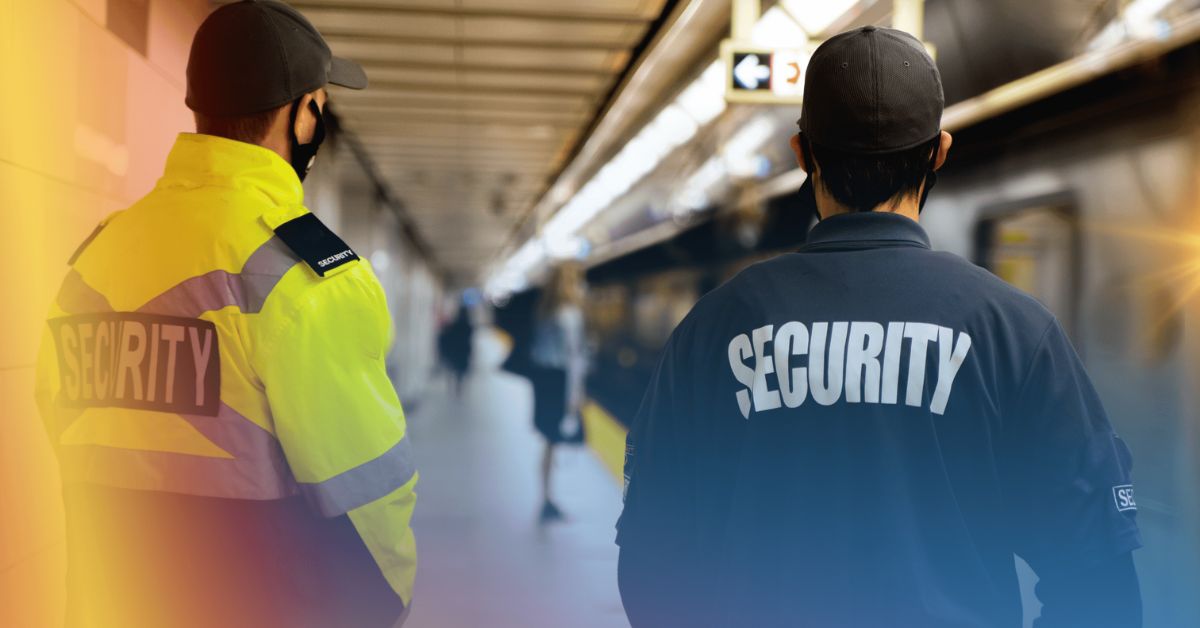
Security has entered a period of rapid transformation. Artificial intelligence (AI) now watches entrances, corridors, and public spaces. Algorithms analyse movements, behaviors, and patterns at astonishing speed. Cameras no longer merely record events, but now interpret reality.
Still, human security guards continue to play a critical role. Their presence influences behavior in ways technology cannot replicate. Guards communicate, observe, and adapt instinctively. Human judgment remains deeply relevant.
So, let’s see how security firms in Sydney meld these two and offer the best security. First things first—
Strengths of Artificial Intelligence in Surveillance
AI excels at consistency. Machines do not tire or lose focus. Systems operate continuously without emotional interference. These qualities make AI surveillance highly effective.
1. Speed and Pattern Recognition Advantages
Cameras equipped with AI detect motion instantly. Software flags unusual behavior across massive environments. Pattern recognition identifies risks before incidents escalate. So, speed becomes a powerful advantage here.
2. Scalability Across Large Environments
Large facilities benefit greatly from automated monitoring. Airports rely on constant observation, and shopping centers require wide coverage. AI provides scalable oversight without physical limitations.
3. Data Processing and Predictive Capability
Data processing represents another AI strength. Surveillance systems collect enormous volumes of information, and agorithms analyse trends across time. Predictive insights emerge through advanced computation.
4. Preventive Security Through Early Detection
These capabilities enhance preventive security strategies. Threats become visible earlier, and responses occur faster. Damage reduces through timely intervention.
Limitations of AI Surveillance Systems
Despite these advantages, AI surveillance carries limitations. Machines lack emotional understanding, so context remains difficult to quantify digitally. Human nuance escapes algorithmic logic.
1. The Challenge of Behavioral Interpretation
Behaviour often appears suspicious without harmful intent. For example, cultural differences influence body language and stress alters movement patterns. AI struggles to interpret these subtleties accurately.
2. False Alarms and Operational Inefficiency
False alarms illustrate this weakness clearly. Innocent actions may trigger alerts, and overreliance on automation creates inefficiency. So, human review remains essential.
3. Ethical Concerns in Automated Surveillance
Ethical concerns also surround AI surveillance. Data collection affects privacy, facial recognition raises identity issues, and algorithmic bias produces unequal outcomes.
Human Awareness as an Ethical Safeguard
Security guards address concerns through human awareness. Guards perceive emotional cues instantly, and tone of voice communicates intent. Facial expressions reveal stress or confusion.
Some more key traits of human security guards:
1. De-escalation and Conflict Resolution Skills
A trained guard can de-escalate tension calmly. Verbal communication prevents escalation, but presence alone often resolves conflict. Technology cannot replicate this influence.
2. Adaptability in Dynamic Situations
Human adaptability represents a core strength because guards can adjust responses based on unfolding situations. Judgment evolves with context. Flexibility enhances safety.
3. Human Leadership During Emergencies
Emergency scenarios highlight human importance. Fires, medical incidents, and evacuations demand leadership. Guards guide people physically, and authority reassures during chaos.
4. Technology as a Support Tool in Crises
AI systems provide alerts during emergencies, automated alarms trigger responses, and surveillance identifies affected zones. But human action is the only factor that completes the response.
5. Trust and Reassurance in Public Spaces
Trust plays a vital role in security effectiveness. People trust visible authority figures, while machines inspire less emotional confidence.
6. Accountability and Professional Responsibility
Security guards also embody accountability and their actions carry responsibility. Decisions face scrutiny. Ethical awareness guides behavior.
The Rise of Hybrid Security Models
The future of security relies on integration. AI enhances human performance, while guards interpret technological data effectively. Collaboration produces superior outcomes.
1. Control Rooms and Integrated Operations
Hybrid security models already demonstrate success. Control rooms combine surveillance feeds with human monitoring, and guards receive real-time intelligence. As a result, decisions improve through information support.
2. Reducing Cognitive Load Through Automation
AI reduces cognitive load for guards. Routine monitoring becomes automated, allowing humans to focus on critical moments.
3. Workplace Safety Through Collaboration
Workplace safety improves through collaboration. AI identifies hazards quickly, and guards can respond physically. This way, prevention becomes proactive.
4. Construction and Asset Protection
Construction sites benefit similarly. Surveillance detects unauthorised access, letting your security guards assess risk directly. So, assets remain protected.
5. Corporate and Office Security Layers
Corporate offices rely on layered security. So, AI monitors can access points continuously, while guards manage visitors personally. This balance enhances professionalism.
6. Event Security and Crowd Management
Events require dynamic security coordination. With hybrid security, AI can track crowd density and guards can manage flow safely.
7. Privacy Protection and Discretion
Privacy protection improves through human judgment alone because technology lacks discretion. Human must intervene to ensure the right decisions are made.
The Philosophy of Balanced Security
The future demands balanced security philosophies. Technology alone feels cold, and humans alone feel limited. Together, they form resilience, when focused on the three areas listed below.
1. Security Education and Ethical Training
Security education must reflect this reality. Training programs should integrate ethics and technology, helping guards understand system limits.
2. Policy and Regulatory Support
Policy frameworks should encourage collaboration. Regulations should define responsible AI use, but human oversight should remain mandatory. Balance protects rights.
3. Innovation Guided by Responsibility
Innovation thrives within ethical boundaries. So, security firms in Sydney should lead through responsibility. Public trust sustains progress, while cooperation defines success.
Conclusion
Security evolves through synergy between AI and human guards. Human intuition meets digital precision and safety becomes holistic. So, the future needs both.
If you wish to build a security protocol that blends both these powers, feel free to connect with Velox Security.
Also read: David Borhaz: The Innovator Who Redefines Modern Art
 Rose Water
  Lele Smith