
Air conditioning delivers comfort during oppressive heat. That comfort sometimes hides a costly secret. Many systems quietly consume excessive electricity without clear warnings. Homeowners notice rising energy bills while assuming seasonal changes caused the spike. The truth often lies inside the cooling system itself.
An inefficient air conditioner behaves like a leaking wallet. Power drains continuously and performance declines gradually. Awareness becomes the first step toward control. Recognising the warning signs early prevents financial stress and environmental damage.
So, this article explores the most important indicators that an air conditioner uses more power than necessary. Each sign reflects mechanical strain, poor configuration, or neglected maintenance of your air conditioning in Maitland. Understanding these signals empowers users to take informed action.
Sudden and Unexplained Spikes in Energy Bills
An abrupt increase in electricity bills raises immediate concern. Seasonal heat explains some increases, but extreme jumps indicate deeper problems. A struggling air conditioner consumes extra energy to maintain basic cooling.
Bills reflect energy habits accurately. When daily routines remain unchanged, rising costs point toward inefficiency. Power-hungry components draw excessive current. Internal resistance forces longer operating cycles.
So, monthly comparisons offer valuable insight. Reviewing previous years helps identify abnormal trends. Persistent increases deserve professional attention.
Ignoring these signs compounds financial damage. Energy waste accumulates silently, but prompt investigation saves money long term.
Longer Cooling Cycles Without Improved Comfort
An efficient air conditioner cools spaces steadily, while an inefficient system runs endlessly. Rooms remain warm despite continuous operation. Time becomes the clearest indicator of inefficiency.
● Extended cycles signal reduced heat transfer.
● Dirty coils block airflow.
● Aging compressors lose strength.
● Refrigerant levels drop gradually.
Each issue forces the unit to work harder.
Comfort should improve during operation. When comfort stagnates, power usage likely exceeds design limits.
Weak Airflow from Vents
Airflow represents the lifeblood of cooling systems. Weak airflow signals trouble. Blocked ducts restrict movement. Dirty filters suffocate circulation. Blower motors struggle under resistance.
Poor airflow reduces cooling efficiency dramatically, so the system compensates through longer runtimes. Electricity usage climbs steadily.
Physical inspection reveals clues quickly. Dust buildup around vents indicates neglect. Uneven airflow suggests duct leakage.
Strong airflow should feel consistent. Any noticeable reduction warrants immediate attention.
Frequent System Cycling
Short cycling wastes energy aggressively, so the system turns on frequently and shuts off rapidly. Temperature control becomes erratic. Short cycling stresses electrical components and repeated starts inflate consumption quickly. Causes include incorrect thermostat placement, oversized units, or faulty sensors.
Frequent cycling indicates imbalance. Correcting the root cause restores efficiency.
Excessive Heat Emission from the Outdoor Unit
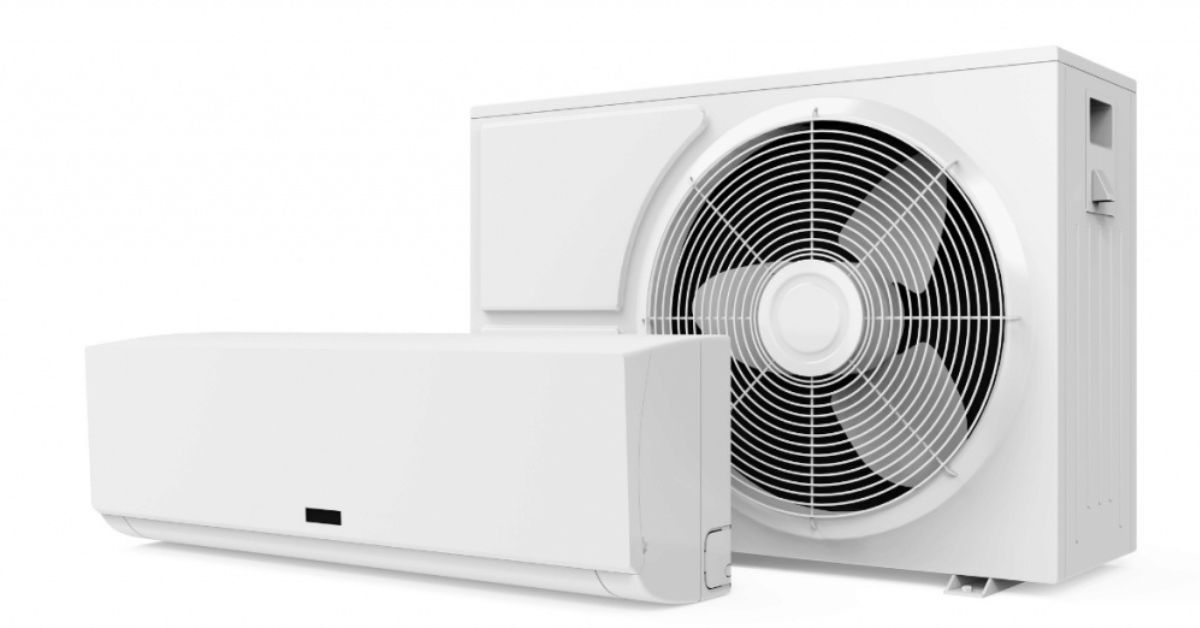
The outdoor condenser expels absorbed heat, but excessive heat output signals inefficiency. Overworked compressors generate unnecessary thermal energy.
Touching the unit carefully reveals intensity. Unusual heat suggests strain, and loud operation often accompanies this sign. Restricted airflow worsens heat buildup. Debris blocks ventilation, and even surrounding vegetation can trap warmth.
Remember, outdoor units require space and adequate clearance for efficient heat release.
Strange Noises During Operation
Air conditioners operate with predictable sounds.
● Grinding indicates mechanical friction.
● Buzzing suggests electrical strain.
● Rattling implies loose components.
Unusual noises accompany inefficient operation. Components fight resistance, as motors draw extra power. So, ignoring these noisy signs accelerates damage and energy consumption increases alongside wear.
However, silence does not equal efficiency. Even sudden sound changes also deserve investigation.
Hot and Cold Spots Within the Same Space
Temperature inconsistency reflects poor distribution. Some rooms freeze, while others remain warm. The outcome is that the system works harder to compensate.
● Uneven cooling increases runtime.
● Power usage escalates unnecessarily.
● Duct leakage often causes imbalance.
● Improper zoning worsens distribution issues.
● Single thermostats fail to represent entire spaces.
Consistent comfort indicates efficiency. Inconsistent temperatures reveal wasted energy.
Constant Thermostat Adjustments
Frequent thermostat changes indicate dissatisfaction. Users lower settings repeatedly, and the system never meets expectations. Lowering temperatures also forces longer cycles, increasing the power usage dramatically.
Comfort depends on system health. Proper calibration reduces adjustment frequency. Stable settings typically reflect efficient performance, while constant changes signal underlying issues.
Dirty or Clogged Air Filters
Air filters protect internal components, so dirty filters restrict airflow severely. Resistance increases electrical demand. Filters trap dust and allergens. That is why neglect transforms protection into obstruction. Energy consumption rises rapidly, and cooling capacity drops noticeably.
That is why experts suggest regular replacement to restore airflow. This simple task saves significant energy.
Aging Equipment Beyond Optimal Lifespan
Air conditioners lose efficiency over time. It means components degrade gradually, and technology becomes outdated. Older units consume more power per output unit. Wear reduces performance reliability.
So, what’s the solution? Maintenance. It extends lifespan easily, as opposed to sudden and expensive replacement.
Refrigerant Issues and Power Drain
Refrigerant enables heat transfer. Low levels reduce cooling ability, and the compressor works harder. But refrigerant problems require professional handling, as environmental regulations apply. It can also be difficult to comprehend for the untrained eye.
Balanced refrigerant levels support optimal efficiency.
Poor Insulation Exposing System Weakness
Insulation affects cooling demand, as poor insulation allows heat intrusion. The system compensates through longer operation.
● Walls absorb solar heat.
● Roofs radiate warmth downward.
● Windows leak thermal energy.
Improving insulation reduces workload and energy consumption decreases naturally.
Conclusion
Air conditioners communicate inefficiency clearly. Signs appear through bills, performance, and comfort levels. Awareness transforms frustration into control.
Understanding these signs empowers informed decisions. Knowledge transforms homeowners into proactive managers. Efficient air conditioning becomes achievable through observation and action.
If you need a better understanding, feel free to connect with Onsite Air.
Also Read: David Borhaz: The Innovator Who Redefines Modern Art
 Rose Water
  Lele Smith